Behavioral health includes mental health and support for substance use. Compare where people receive care, what each model can offer, and what to ask before choosing a program.
Residential support
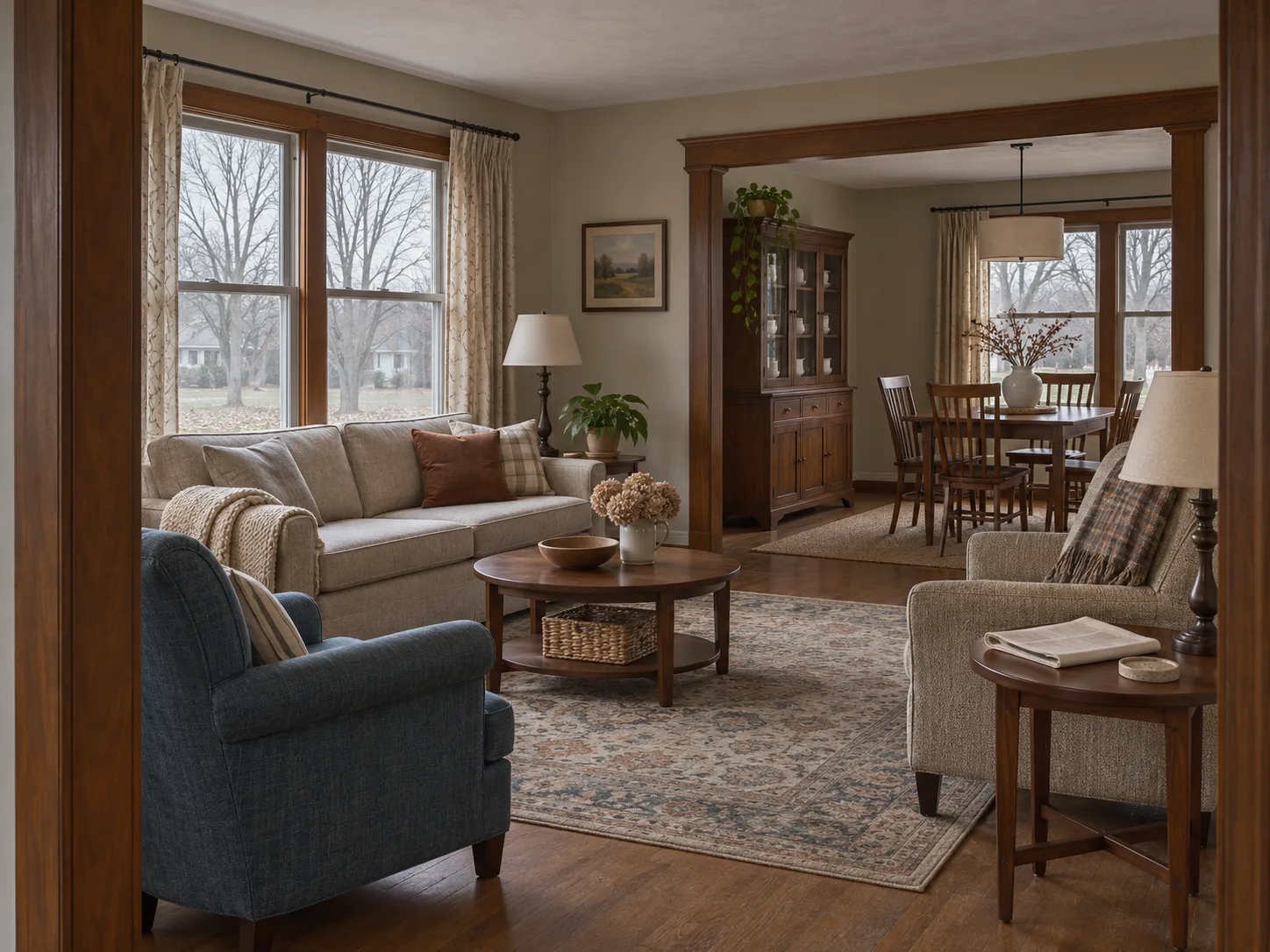
People live where support is provided. Indiana’s supervised group living model offers a home-like setting for people with a psychiatric disorder or addiction who benefit from structured support. Services, staffing, and length of stay depend on the program.
Ask who is on site at different times of day, what daily support and treatment are available, and how the program plans for the transition out.
States can offer Medicaid Health Homes to eligible people with chronic conditions, including serious and persistent mental illness. A Health Home coordinates primary care, behavioral health services, transitions, and referrals to community supports.
Ask your state Medicaid agency which programs are available and what the eligibility requirements are.
Outpatient programs provide scheduled care while people live at home or elsewhere in the community. Depending on the provider, visits can involve counseling, medication management, or group sessions. Some programs offer telehealth.
Ask which services are available, how often visits take place, and what the provider charges or accepts for payment.